 Supplements
Complete guide to digestive enzymes: what they are, how they work, clinical evidence, and 5 top-rated brands tested for efficacy, ingredient quality, and value.
What Are Digestive Enzymes?
Digestive enzymes are specialized proteins that break down proteins, fats, and carbohydrates into absorbable nutrients your body can actually use. Your pancreas, stomach, and small intestine produce most of them naturally, but production declines with age -- people in their 60s may produce 30% fewer enzymes than in their 20s. Conditions like chronic pancreatitis, cystic fibrosis, or specific enzyme deficiencies further reduce production. Enzyme supplements supply exogenous enzymes from plant, fungal, or animal sources to bridge the gap. Without adequate enzymes, undigested food particles can ferment in the gut, causing bloating, gas, and nutrient malabsorption even when your diet is otherwise healthy.
Types of Digestive Enzymes
Protease breaks down proteins into amino acids; plant-derived forms (papain, bromelain) work across a broader pH range than animal-derived pepsin. Lipase breaks down fats into fatty acids and glycerol -- insufficient lipase causes greasy stools, fat malabsorption, and is the hallmark symptom of pancreatic insufficiency. Amylase breaks down starches and carbohydrates, reducing post-meal bloating and blood sugar spikes. Premium formulas also include cellulase (fiber breakdown), invertase (sucrose), lactase (lactose for dairy intolerance), and alpha-galactosidase (complex carbs in beans and cruciferous vegetables) for more complete digestion across meal types.
Who Needs Digestive Enzyme Supplements?
Those who benefit most from enzyme supplementation: adults over 60 experiencing age-related enzyme decline and increasing digestive difficulty, people with diagnosed pancreatic insufficiency or cystic fibrosis (where enzyme replacement is medically necessary and dramatically improves quality of life), those with chronic bloating and gas after meals (a 2021 study showed 38% symptom reduction with enzymes), people with specific food intolerances like lactose intolerance or difficulty digesting beans and cruciferous vegetables, and some IBS patients with prominent bloating symptoms. People recovering from gallbladder removal may also benefit, as changes in bile flow can impair fat digestion. About 60% of people with chronic digestive complaints respond well to enzymes; the other 40% may need to investigate other causes such as SIBO, food sensitivities, or motility disorders.
Clinical Evidence for Enzyme Supplementation
Evidence is definitive for pancreatic insufficiency and enzyme deficiency -- pancreatic enzyme replacement therapy (PERT) is standard of care and dramatically improves nutrient absorption, weight maintenance, and overall quality of life for these patients. For otherwise healthy people with general digestive complaints, results are more mixed: a 2017 placebo-controlled trial found enzymes reduced bloating and gas by 29% vs placebo, though the placebo group also showed 24% improvement (highlighting the strong placebo effect in digestive studies). A separate 2019 trial using a multi-enzyme formula reported reduced post-meal fullness and discomfort in adults over 50 after 4 weeks. The strongest evidence supports specific deficiency states; for general digestive complaints, individual responses vary substantially -- a 4-week trial period is reasonable to assess personal benefit.
Key Ingredients to Look For
Look for potency measured in activity units (not milligrams) -- a product with 10,000 FIP protease units is far more effective than one with 1,000. Milligram labeling alone tells you nothing about actual enzymatic activity, which is why activity units are the gold standard for comparison. Choose broad-spectrum formulas with protease, lipase, and amylase for complete meal digestion. Enteric-coated capsules survive stomach acid to deliver enzymes to the small intestine where most digestion occurs. Plant and fungal enzymes have broader pH activity than animal-derived ones, meaning they work in both the acidic stomach and alkaline intestine. Always choose third-party tested products (NSF or ConsumerLab) to verify label accuracy.
Best 5 Digestive Enzyme Brands Tested & Ranked
We evaluated enzyme supplements based on potency (enzyme activity units per serving), formula completeness (number and variety of enzymes), ingredient quality and sourcing, independent third-party testing certifications, and real-world customer feedback across thousands of verified reviews. Price per serving was also considered to ensure value at every budget level. Here are our top 5 picks.

Enzymedica Digest Gold
Enzymedica- 23 different enzymes in one formula
- High potency: 40,000+ protease units per serving
- Enteric-coated for maximum small intestine delivery
- Third-party tested, non-GMO, vegan-friendly
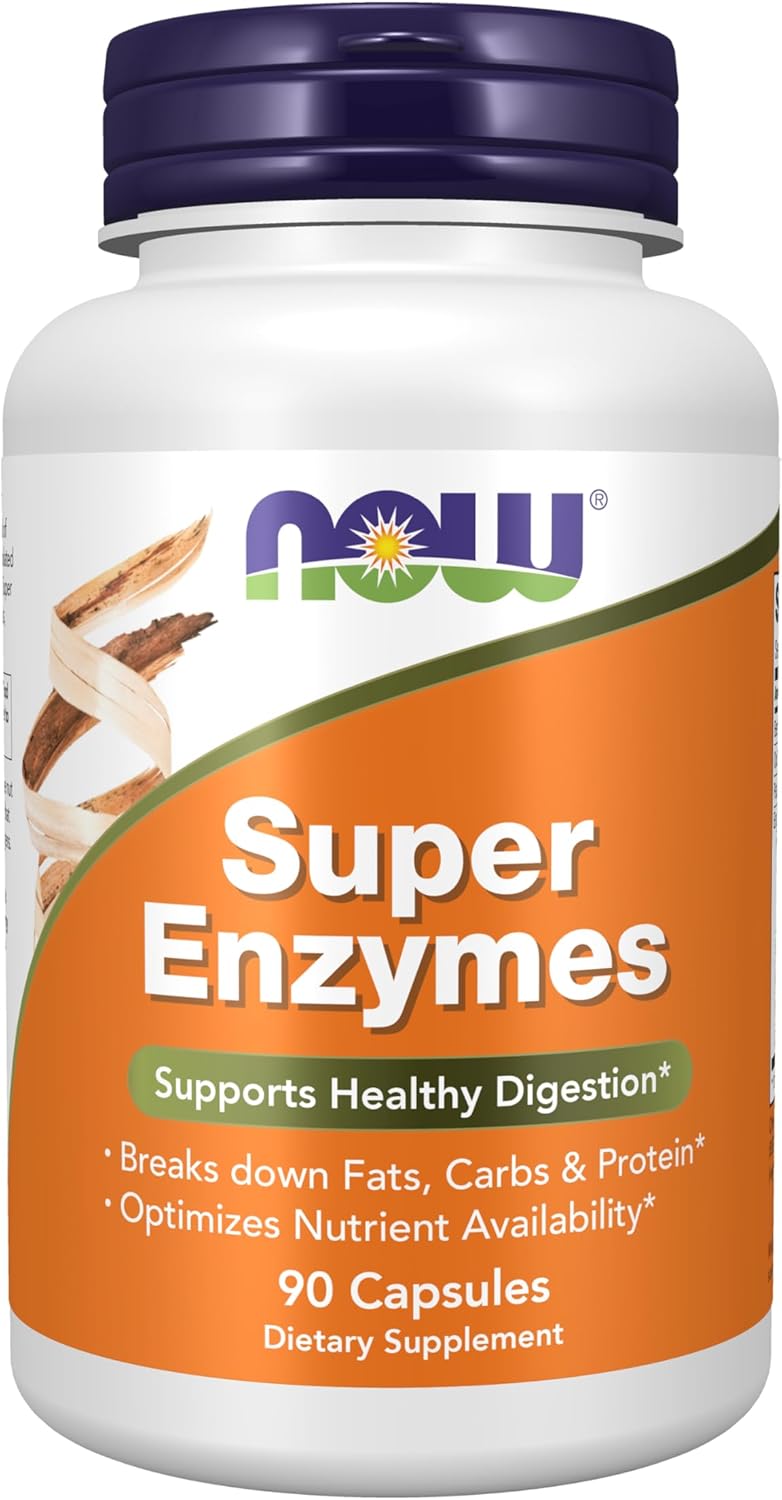
NOW Super Enzymes
NOW Foods- Includes bile salts and betaine for fat digestion
- Broad-spectrum formula with 11 enzymes
- Excellent value (lowest cost per dose)
- NSF certified, third-party tested

Garden of Life Dr. Formulated Enzymes
Garden of Life- Contains both enzymes and probiotics
- USDA organic certified ingredients
- 13 plant-based enzymes plus 4 probiotic strains
- Supports both digestion and microbiome health

Pure Encapsulations Digestive Enzymes Ultra
Pure Encapsulations- Hypoallergenic formula, free from common allergens
- High-potency enzymes: 40,000+ protease units
- Enteric-coated for maximum bioavailability
- Third-party tested, pharmaceutical-grade

Zenwise Digestive Enzymes
Zenwise Health- Budget-friendly option without quality sacrifice
- Includes prebiotics and ginger for additional support
- 14 enzyme blend with broad spectrum coverage
- Great for first-time enzyme users
Dosage & Timing Guidelines
Take 1-2 capsules immediately before the first bite of your meal, 1-3 times daily. Timing is critical -- enzymes taken after eating provide minimal benefit because digestion has already begun and food has started moving through the stomach. Larger, fattier meals warrant higher doses; lighter meals may need less. You can skip doses for small snacks or easily digested foods. Enzymes are safe for indefinite daily use with no tolerance or dependency development -- your body does not reduce its own enzyme production because you supplement.
Side Effects & Safety
Digestive enzymes are generally very well-tolerated with an excellent safety profile across decades of use. Rare side effects include mild cramping or diarrhea at high doses, which resolve with dose reduction. Bromelain and papain have mild blood-thinning properties -- consult your doctor before use if taking anticoagulants like warfarin or aspirin. People with severe allergies to papaya, pineapple, or mold should use caution with plant-derived enzyme products. Avoid enzyme supplements during acute pancreatitis without medical guidance, and always inform your gastroenterologist if you are using them alongside prescription pancreatic enzymes.
Our Verdict
Digestive enzymes are evidence-based for enzyme deficiencies and worth trying for chronic bloating, with the caveat that ~40% of people see minimal benefit. Take them immediately before meals, choose a broad-spectrum formula measured in activity units rather than milligrams, and give them a 4-8 week trial to assess personal response. Our top pick is Enzymedica Digest Gold for potency and completeness; NOW Super Enzymes offers the best value for budget-conscious buyers; and Garden of Life provides combined enzyme-probiotic support for those wanting dual digestive benefits. If symptoms persist after 8 weeks, consult a gastroenterologist to investigate underlying causes.
Quick Comparison
| Product | Key Feature | Best For |
|---|---|---|
| Enzymedica Digest Gold | 23 different enzymes in one formula | Top Pick |
| NOW Super Enzymes | Includes bile salts and betaine for fat digestion | NSF certified, third-party tested |
| Garden of Life | Contains both enzymes and probiotics | |
| Pure Encapsulations | Hypoallergenic formula, free from common allergens | |
| Zenwise Digestive Enzymes | Budget-friendly option without quality sacrifice | Great for first-time enzyme users |
Related: Best Colostrum Supplements (2026)
Related: Best Gut Health Supplements (2026)
What is the difference between digestive enzymes and probiotics?
Digestive enzymes break down food mechanically — protease handles protein, lipase handles fats, amylase handles carbs. They provide immediate relief during meals. Probiotics are live bacteria that colonize your gut over weeks to improve your microbiome long-term. Many people benefit from both: enzymes for meal-time relief and probiotics for ongoing gut health.
When should I take digestive enzymes — before or during a meal?
Take digestive enzymes at the start of your meal or within the first few bites. This gives them time to mix with food in your stomach for optimal breakdown. Taking them after a meal still works but may be less effective. If you frequently forget, taking them within 30 minutes of eating still provides meaningful benefit.
Bottom Line: Which Should You Buy?
For most people: the Enzymedica Digest Gold. 23 different enzymes in one formula.
On a budget: the NOW Super Enzymes. Includes bile salts and betaine for fat digestion.
Premium pick: the Zenwise Digestive Enzymes. Budget-friendly option without quality sacrifice.
Ready to buy?
Jump straight to our top picks on Amazon.
Frequently Asked Questions
Do digestive enzymes really work?
Clinical evidence supports digestive enzyme supplementation for people with enzyme deficiencies or pancreatic insufficiency. A 2021 meta-analysis in the Journal of Human Nutrition and Metabolism found that enzyme supplementation reduced bloating and gas symptoms in people with low enzyme production. However, for people with normal enzyme production, research is mixed. Enzymes work best for specific conditions rather than as a general wellness supplement.
Should I take digestive enzymes with meals?
Yes, take digestive enzyme supplements with the first bite of your meal. This allows the enzymes to work immediately on the food in your stomach. For maximum benefit, swallow the capsule or take the powder seconds before eating. Taking enzymes after eating provides minimal benefit since digestion has already begun.
Are digestive enzymes safe to take daily?
Digestive enzymes are generally safe for daily, long-term use in recommended doses. They are derived from plant or fungal sources and break down during digestion like food. However, extremely high doses may cause cramping or diarrhea. People taking anticoagulants should consult a doctor first, as some enzymes like bromelain have mild blood-thinning properties.
What's the difference between protease, lipase, and amylase?
Protease breaks down proteins into amino acids, lipase breaks down fats into fatty acids and glycerol, and amylase breaks down carbohydrates into simple sugars. A broad-spectrum enzyme supplement contains all three plus additional enzymes for fiber (cellulase) and other nutrients. For general digestive support, a broad-spectrum formula is more effective than single-enzyme supplements.
Can digestive enzymes help with IBS or food sensitivities?
Digestive enzymes may help with IBS symptoms by improving food breakdown and reducing undigested particles that trigger inflammation. For food sensitivities, some people find relief with specific enzymes — for example, lactase breaks down lactose, and alpha-galactosidase breaks down complex carbohydrates that cause gas. However, enzymes are not a cure for food allergies or celiac disease.
Related Articles


Sources & Research
This article was informed by peer-reviewed research and clinical guidelines. The Supplements Corner Editorial Team reviews published literature to ensure accuracy.
Dosage Reference
Psyllium husk: 5–10 g/day (start with 5 g, increase gradually). Digestive enzymes should be taken with meals. Dosages vary by enzyme type; follow product labeling.
Key Studies Referenced:
- McRorie JW Jr. (2015). "Evidence-based approach to fiber supplements and clinically meaningful health benefits, part 2." Nutrition Today, 50(2), 82–89.
- Ianiro G, Pecere S, Giorgio V, et al. (2016). "Digestive enzyme supplementation in gastrointestinal diseases." Current Drug Metabolism, 17(2), 187–193.
- Anderson JW, Allgood LD, Lawrence A, et al. (2000). "Cholesterol-lowering effects of psyllium intake adjunctive to diet therapy." American Journal of Clinical Nutrition, 71(6), 1433–1438.
Medical Disclaimer: This content is for informational purposes only and does not constitute medical advice, diagnosis, or treatment. Always consult a qualified healthcare provider before starting, stopping, or changing any supplement regimen. Individual results may vary.