 Supplements
Whey vs plant-based protein compared: amino acid profiles, leucine content, DIAAS digestibility scores, muscle protein synthesis, allergies, and muscle-building effectiveness.
Quick Answer: Which Should You Choose?
Choose whey protein for muscle-building efficiency. It has superior leucine content, better digestibility, and stronger research supporting rapid muscle protein synthesis. A 30g whey serving is equivalent to 40g of most plant proteins.
Choose plant protein if you're vegan, lactose intolerant, or have dairy allergies. You can build muscle equally well — just consume 20-30% more volume, combine different plant sources to complete amino acid profiles, and maintain consistency. Performance difference is modest when protein intake is adequate.
What Are Whey and Plant Protein?
Whey protein is a complete protein from milk with all nine essential amino acids. Concentrate (70-80% protein) is cheaper; isolate (90%+) removes most lactose. Plant protein comes from pea, soy, rice, or hemp sources. Individual plant sources are often incomplete, which is why blended pea + rice formulas are increasingly popular.
Amino Acid Profiles & Leucine
Whey delivers ~3g leucine per 30g serving (10-12% by weight) with 12-14g total EAAs. Plant proteins deliver only 1.5-2g leucine per 30g (5-7%), with 7-12g total EAAs depending on source. Since 1.7-3g leucine per meal is needed to maximally trigger muscle protein synthesis via mTOR, whey hits this threshold in a single scoop while plant protein requires 40-50g.
A 2017 study in the Journal of the International Society of Sports Nutrition found whey triggered significantly greater post-workout muscle protein synthesis than plant protein. However, when leucine content was matched (40-45g plant vs 30g whey), synthesis responses were nearly identical. Blending plant sources (pea + rice) helps close the gap.
DIAAS Digestibility Scores
DIAAS measures how well your body absorbs amino acids. Whey isolate scores 1.0+ (near-perfect), while plant sources score lower: soy 0.90-0.95, pea 0.82-0.88, rice 0.75-0.82, and pea + rice blends 0.85-0.92. A score of 0.80 means 20% of amino acids go unused, which is why plant protein servings need to be 20-30% larger for equivalent muscle-building results.
Muscle Protein Synthesis Studies
A 2019 meta-analysis in Nutrients found that over 8-12 weeks, whey groups gained 1.2kg lean mass versus 0.9kg for plant groups. However, when plant-protein users consumed adequate serving sizes and timed intake around workouts, the gap shrank to 5-10%. The difference is real but manageable with proper dosing.
Allergens, Digestion & Taste
Those with dairy allergies must avoid all whey products. Lactose-intolerant individuals can usually tolerate whey isolate (less than 0.5g lactose per serving). On the plant side, soy is a major allergen; pea and rice carry minimal risk. Plant protein tends to cause more initial bloating than whey, though this typically resolves within 1-2 weeks. Whey wins on taste and mixability, with plant proteins still carrying earthy notes despite recent improvements.
Head-to-Head Comparison
| Factor | Whey Protein | Plant Protein |
|---|---|---|
| Leucine per 30g serving | 3.0g (10-12%) | 1.5-2.0g (5-7%) |
| DIAAS score | 1.0 (excellent) | 0.75-0.95 (good to very good) |
| Muscle protein synthesis response | Excellent (maximal mTOR activation) | Good (suboptimal at small servings) |
| Serving size for 1.7g leucine | ~17g | ~28-35g |
| 12-week lean mass gain | +1.2 kg (with adequate training) | +0.9 kg (with adequate training) |
| Amino acid completeness | Complete | Single-source incomplete (blends better) |
| Digestion comfort | Excellent | Moderate (some gas/bloating) |
| Taste quality | Excellent (many flavors) | Good (improved, but earthy notes) |
| Allergen risk | Dairy/milk allergy risk | Soy allergen risk (varies by source) |
| Cost per 30g serving |
Related: Best Protein Powder for Women (2026)
Price per Gram Comparison
Whey protein concentrate: approximately competitive pricing protein. A 2kg tub (typically competitive pricing) provides 200 servings.
Whey protein isolate: approximately competitive pricing protein due to processing. A 2kg tub costs competitive pricing.
Plant protein blends: approximately competitive pricing protein. Equivalent price to whey isolate or slightly higher. Despite being cheaper per serving by weight, you need 20-30% more plant protein for equivalent muscle-building results, which reduces the cost advantage or even inverts it when quality is considered.
Bottom line: Whey concentrate is the cheapest option for muscle building. Whey isolate costs more but is easier on digestion. Plant proteins cost similarly to whey isolate but require larger servings to achieve equivalent results, making them not significantly cheaper long-term.
Our Top Picks
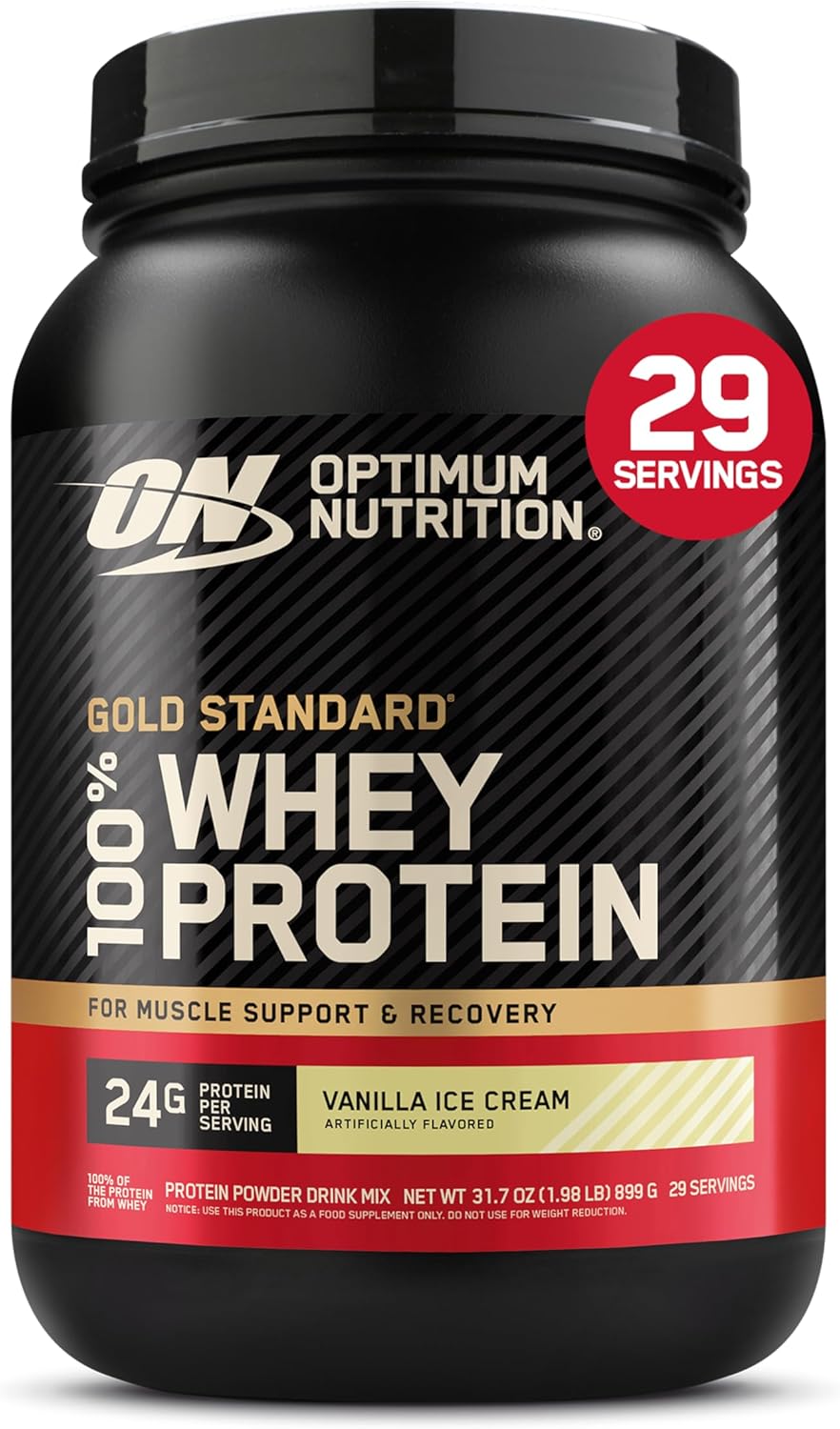
Optimum Nutrition Gold Standard Whey Protein
Optimum Nutrition
- 24g protein per serving (isolate-predominant blend)
- Low fat and carbs (minimal added sugars)
- Excellent taste with multiple flavors
- Fast absorption for post-workout recovery
- Affordable price per gram of protein

Garden of Life Sport Organic Plant-Based Protein
Garden of Life
- 22g plant-based protein per serving
- Organic and non-GMO certified
- Blended sources (pea, rice, sprouted grain)
- Complete amino acid profile
- Naturally sweetened with minimal additives
Our Verdict
Whey protein is the more efficient muscle-builder with superior leucine, digestibility, and research backing. If you tolerate dairy, whey concentrate is unbeatable on value. Plant protein is fully viable when you increase servings to 38-50g (versus 25-30g whey) and use blended pea + rice formulas. The 5-20% lean mass difference over 12 weeks is real but surmountable with consistency and proper dosing.
Bottom Line: Which Should You Buy?
For most people: the Optimum Nutrition Gold Standard Whey Protein. 24g protein per serving (isolate-predominant blend).
On a budget: the Garden of Life Sport Organic Plant-Based Protein. 22g plant-based protein per serving.
Ready to buy?
Jump straight to our top picks on Amazon.
Frequently Asked Questions
Is whey protein better than plant protein for muscle building?
Whey protein is superior for muscle building due to higher leucine content (8-10% vs 5-7% in plant) and superior digestibility (DIAAS 1.0+ vs 0.6-0.8). However, plant protein works when consumed in adequate amounts and consistently. Whey is more efficient; plant requires 20-30% more volume.
How much more plant protein do you need than whey?
Due to lower DIAAS digestibility scores, you need approximately 20-30% more plant protein to achieve equivalent muscle protein synthesis as whey. If a 30g whey serving is adequate, aim for 38-40g of plant protein. Combining different plant sources (pea + rice) improves amino acid completeness.
Can you build muscle on plant protein alone?
Yes, but it requires more consistency. Research shows plant-based diets can build muscle effectively when total daily protein intake is adequate (1.6-2.2g per kg bodyweight) and you're consuming complete amino acid profiles. Most people see better results mixing plant sources or combining with whey.
Which plant protein has the most leucine?
Soy protein isolate is highest (~7-8% leucine), followed by pea protein (~6-7%). Rice and hemp are lower. A blended plant formula combining pea and rice provides a more complete amino acid profile than single-source plant proteins.
Related Articles


Sources & Research
This article was informed by peer-reviewed research and clinical guidelines. The Supplements Corner Editorial Team reviews published literature to ensure accuracy.
Dosage Reference
The International Society of Sports Nutrition recommends 1.4–2.0 g of protein per kg of body weight per day for physically active individuals. For muscle building, 20–40 g of high-quality protein per meal is optimal.
Key Studies Referenced:
- Jäger R, Kerksick CM, Campbell BI, et al. (2017). "International Society of Sports Nutrition Position Stand: protein and exercise." Journal of the International Society of Sports Nutrition, 14, 20.
- Morton RW, Murphy KT, McKellar SR, et al. (2018). "A systematic review, meta-analysis and meta-regression of the effect of protein supplementation on resistance training-induced gains in muscle mass and strength." British Journal of Sports Medicine, 52(6), 376–384.
- Tang JE, Moore DR, Kujbida GW, et al. (2009). "Ingestion of whey hydrolysate, casein, or soy protein isolate: effects on mixed muscle protein synthesis at rest and following resistance exercise." Journal of Applied Physiology, 107(3), 987–992.
Medical Disclaimer: This content is for informational purposes only and does not constitute medical advice, diagnosis, or treatment. Always consult a qualified healthcare provider before starting, stopping, or changing any supplement regimen. Individual results may vary.