 Supplements
Best supplements for chronic fatigue and low energy: CoQ10, B12, magnesium, vitamin D, iron, creatine. Science-backed recommendations and top products.
Understanding Chronic Fatigue
Chronic fatigue is persistent low energy despite adequate sleep, often caused by nutritional deficiencies (B12, iron, magnesium, vitamin D), mitochondrial dysfunction, thyroid disorders, or a combination. Supplements work best when they address the underlying cause -- blood testing to identify specific deficiencies is the smartest first step. If fatigue is severe, sudden, or unexplained, consult a healthcare provider before relying on supplements.
The most common nutritional causes are highly treatable. Below we cover the six evidence-backed supplements that address the root causes most often behind chronic fatigue, with dosing, expected timelines, and our top product picks.
CoQ10: Mitochondrial Energy
CoQ10 is essential for ATP production in mitochondria, and levels decline ~10% per decade after age 30. A 2017 meta-analysis of 17 trials found 100-300mg daily reduced fatigue and improved quality of life, especially in people over 50 and statin users (statins directly deplete CoQ10). Take 100-300mg daily as ubiquinol (the reduced, more absorbable form) with fat-containing meals for optimal absorption. Results appear after 4-8 weeks of consistent use. Best combined with magnesium and vitamin D for synergistic energy support.
Vitamin B12 for Metabolism & Energy
B12 is critical for energy metabolism, myelin formation (nerve insulation), and red blood cell maturation. Deficiency causes severe fatigue, weakness, and neurological symptoms -- and is surprisingly common in vegetarians/vegans, older adults (10-30% have reduced absorption), people with malabsorption disorders, and metformin users. Even subclinical low-normal B12 can cause fatigue in some people.
Dosage: Use methylcobalamin (the active form) at 1000-2000 mcg daily, preferably sublingual for best absorption. For severe deficiency, 1000 mcg weekly injections bypass absorption issues entirely. Results appear within 2-8 weeks as stores replenish.
Magnesium for ATP Production
Magnesium is a cofactor for 300+ enzymatic reactions including ATP production. Most Americans are deficient (150-200mg below recommended intake), and deficiency directly causes fatigue, muscle weakness, and poor exercise tolerance. Magnesium is depleted by chronic stress, caffeine, intense exercise, and common medications (diuretics, PPIs).
A 2013 trial found 300mg magnesium malate daily improved fatigue and exercise tolerance in CFS and fibromyalgia patients. Choose magnesium malate specifically -- the malate component also supports ATP production, creating a dual benefit. Take 300-500mg daily. Works synergistically with CoQ10 and B vitamins.
Vitamin D & Mitochondrial Function
Vitamin D supports mitochondrial biogenesis and approximately 1 billion people globally are deficient. A 2015 randomized trial found 4000 IU daily improved fatigue within 8 weeks in people with low baseline levels. Take 2000-4000 IU daily; target blood levels of 30-50 ng/mL. Test baseline status to dial in the right dose. Effects appear after 4-12 weeks.
Iron for Oxygen Carrying Capacity
Iron deficiency anemia causes profound fatigue by reducing oxygen delivery to tissues. Common in premenopausal women, vegetarians, and people with malabsorption. For confirmed deficiency, take 25-65mg elemental iron daily with vitamin C for absorption. Results appear within 2-4 weeks. Do not supplement without testing first -- excess iron is toxic.
Creatine for ATP & Muscle Energy
Creatine directly boosts ATP regeneration in muscles and brain. While famous for athletic performance, it also improves energy and cognitive function in non-athletes. A 2015 trial found 5g daily improved fatigue and cognitive performance in older adults, with effects most pronounced in vegetarians (who produce less endogenous creatine) and those with low baseline levels. Take 5g creatine monohydrate daily -- the most researched and affordable form. Results appear within 1-2 weeks, faster than most energy supplements.
Top Energy Supplements Ranked

Ubiquinol CoQ10 (Reduced Form)
Life Extension / Doctor's Best- 200-300mg ubiquinol per dose
- Superior absorption to ubiquinone
- Mitochondrial energy support
- Backed by multiple clinical trials

NOW Methyl B-12 5,000 mcg
NOW Foods- 5,000mcg methylcobalamin per lozenge
- Active methyl form — no conversion needed
- 120 lozenges — sublingual absorption
- Supports nervous system and energy metabolism
- GMP-certified manufacturing
- Suitable for vegetarians

Source Naturals Magnesium Malate
Source Naturals- Magnesium bound to malic acid
- 3,750mg complex per serving
- 180 tablets
- Malate feeds cellular energy production (Krebs cycle)
- Long-studied combination for fatigue support
- Well-tolerated form
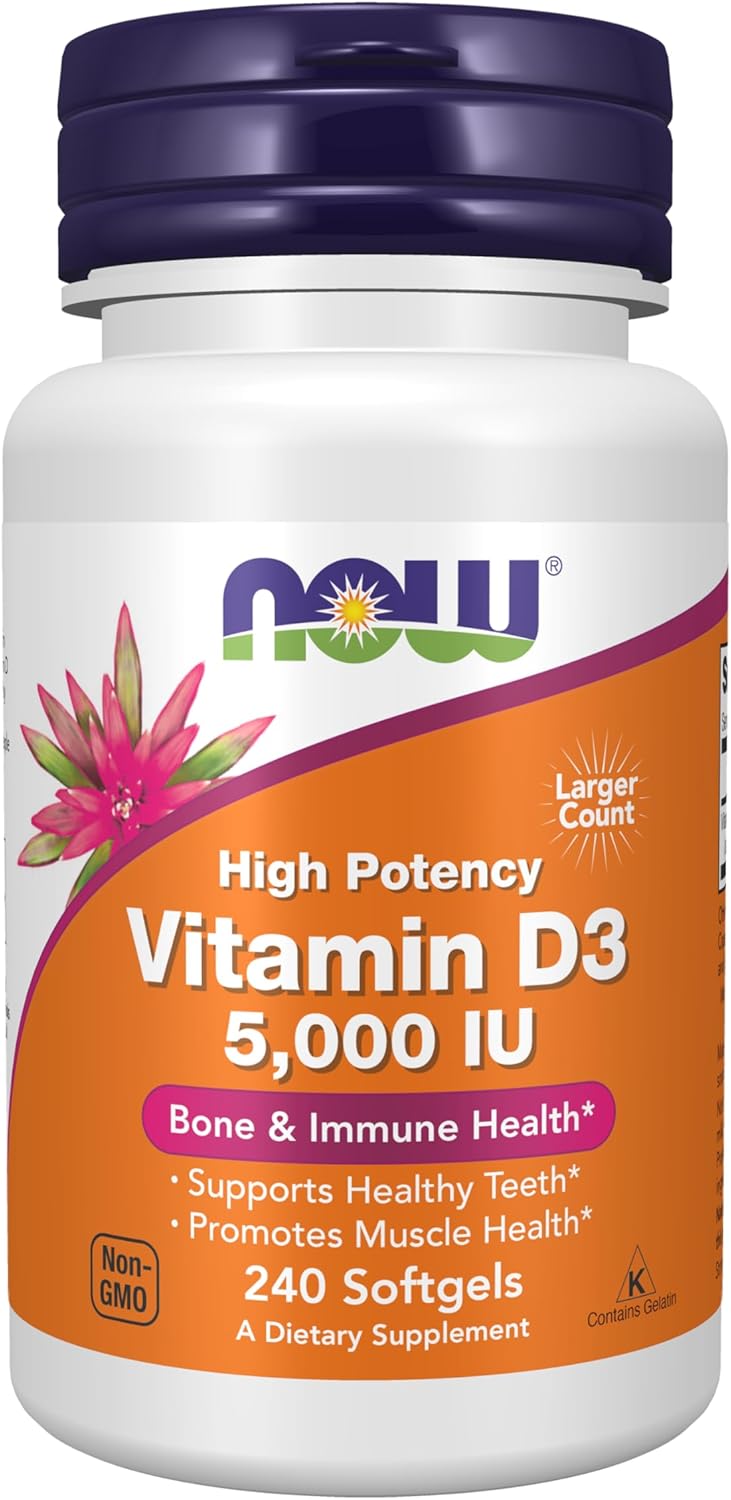
Vitamin D3 (Cholecalciferol)
Thorne / NOW Foods- 2000-5000 IU D3 daily
- Most effective form of vitamin D
- Test levels before supplementing
- Essential for energy and immunity

Creatine Monohydrate (Pure)
Optimum Nutrition / NOW Foods- 5g creatine monohydrate daily
- Proven ATP and energy support
- Works in 1-2 weeks
- Very affordable
Lifestyle Factors & When to See a Doctor
Supplements cannot replace fundamentals: 7-9 hours of consistent sleep, regular moderate exercise (even 20-30 minutes daily), adequate nutrition, and stress management. See a healthcare provider if fatigue is sudden, severe, or unexplained; lasts more than 3-6 months; or is accompanied by fever, weight loss, neurological symptoms, or chest pain.
Our Verdict
Test for deficiencies first (B12, iron, magnesium, vitamin D), then supplement accordingly: CoQ10 for mitochondrial function, B12 for metabolism, magnesium for ATP production, vitamin D for overall energy, and creatine for rapid ATP availability. Combine with lifestyle fundamentals (sleep, exercise, nutrition) and expect significant improvement within 4-8 weeks of consistent, targeted supplementation.
Quick Comparison
| Product | Key Feature | Best For |
|---|---|---|
| Ubiquinol CoQ10 (Reduced Form) | 200-300mg ubiquinol per dose | Top Pick |
| Vitamin B12 Methylcobalamin | 1000-2000 mcg active B12 | Results in 2-8 weeks |
| Magnesium Malate | 300-500mg elemental magnesium | Gentle on digestion |
| Vitamin D3 (Cholecalciferol) | 2000-5000 IU D3 daily | Essential for energy and immunity |
| Creatine Monohydrate (Pure) | 5g creatine monohydrate daily | Very affordable |
Related: Best Electrolyte Powder (2026)
Bottom Line: Which Should You Buy?
For most people: the Ubiquinol CoQ10 (Reduced Form). 200-300mg ubiquinol per dose.
On a budget: the Vitamin B12 Methylcobalamin. 1000-2000 mcg active B12.
Premium pick: the Creatine Monohydrate (Pure). 5g creatine monohydrate daily.
Ready to buy?
Jump straight to our top picks on Amazon.
Frequently Asked Questions
What vitamin deficiency causes fatigue?
Multiple deficiencies cause fatigue: B12 deficiency impairs energy metabolism and neurological function, iron deficiency reduces oxygen carrying capacity, vitamin D deficiency affects mitochondrial function and mood, and magnesium deficiency impairs ATP production. Chronic fatigue often involves multiple deficiencies rather than one single cause, making comprehensive testing and targeted supplementation important.
Is CoQ10 good for fatigue and energy?
Yes, CoQ10 is a mitochondrial energy molecule critical for ATP production. Low CoQ10 levels directly impair energy production. Studies show that 100-300mg daily improves fatigue, particularly in people over 40, those on statin medications, or with underlying energy metabolism disorders. Results typically appear after 4-8 weeks of consistent use.
Can B12 supplements increase energy?
Yes, B12 is critical for energy metabolism, myelin formation, and cell division. Deficiency causes severe fatigue, weakness, and neurological symptoms. Supplementation dramatically improves energy in deficient individuals. Even subclinical low-normal B12 may cause fatigue in some people. For best results, use methylcobalamin (active form) or B12 injections if absorption is impaired.
How much vitamin D do I need for fatigue?
Vitamin D deficiency is extremely common and directly causes fatigue through effects on mitochondrial function and mood. Adequate levels are 30-50 ng/mL; supplementation with 2000-4000 IU daily raises levels in most people. Effects on fatigue appear after 4-12 weeks. Testing baseline D status helps target the right dose.
Does creatine supplementation increase energy?
Yes, creatine directly boosts ATP (energy) production in muscles and brain. 5 grams daily is safe and improves energy, strength, and cognitive performance. Effects are most pronounced in people with low creatine production (vegetarians, older adults) and those with energy metabolism disorders. Results appear after 1-2 weeks.
Related Articles


Sources & Research
This article was informed by peer-reviewed research and clinical guidelines. The Supplements Corner Editorial Team reviews published literature to ensure accuracy.
Dosage Reference
For chronic fatigue, evidence supports: CoQ10 100–200 mg/day, B-complex vitamins (B12 at 1,000 mcg), iron (if deficient), magnesium 300–400 mg/day, and rhodiola rosea 200–400 mg/day.
Key Studies Referenced:
- Tardy AL, Pouteau E, Marquez D, et al. (2020). "Vitamins and minerals for energy, fatigue and cognition." Nutrients, 12(1), 228.
- Castro-Marrero J, Sáez-Francàs N, Segundo MJ, et al. (2015). "Effect of coenzyme Q10 plus nicotinamide adenine dinucleotide supplementation on maximum heart rate after exercise testing in chronic fatigue syndrome." Clinical Nutrition, 35(4), 826–834.
Medical Disclaimer: This content is for informational purposes only and does not constitute medical advice, diagnosis, or treatment. Always consult a qualified healthcare provider before starting, stopping, or changing any supplement regimen. Individual results may vary.