 Supplements
Best lion's mane mushroom supplements ranked: fruiting body vs mycelium, bioactive compounds, dosage, and top 5 brands tested for potency and efficacy.
What Is Lion's Mane Mushroom
Lion's mane (Hericium erinaceus) is a medicinal mushroom used for centuries in traditional Chinese and Japanese medicine, now backed by modern clinical research. It contains unique bioactive compounds -- hericenones and erinacines -- that stimulate nerve growth factor (NGF) production in the brain. Unlike many nootropics with only animal data, lion's mane has published human clinical trials demonstrating improvements in memory, cognition, and mood. It is available as capsules, powders, tinctures, and even gummies, though extract capsules deliver the most consistent dosing.
Bioactive Compounds: Hericenones & Erinacines
Hericenones (water-soluble, concentrated in the fruiting body) cross the blood-brain barrier and stimulate NGF synthesis in the hippocampus and prefrontal cortex -- the brain regions governing memory and decision-making. Erinacines (fat-soluble, found in both fruiting body and mycelium) are particularly potent NGF stimulators and may also promote BDNF (brain-derived neurotrophic factor) expression. Beta-glucans (target >25% on the label) support immune modulation and neuroprotection through anti-inflammatory pathways. Cheap products may be weak mycelium grown on grain with minimal measurable bioactives -- always check labels for documented compound concentrations and third-party verification.
Nerve Growth Factor and Brain Health
NGF supports neuroplasticity, neurogenesis, axonal growth, and protection against neurodegeneration. It is essential for the survival and maintenance of cholinergic neurons in the basal forebrain -- the same neurons that deteriorate in Alzheimer's disease. NGF levels decline with age, contributing to cognitive decline and impaired memory consolidation. Lion's mane is one of very few natural compounds that demonstrably increases NGF production -- unlike most nootropics that temporarily modulate neurotransmitters, lion's mane actually rebuilds neural infrastructure over time. Effects are most pronounced in older adults with cognitive impairment, but younger people seeking enhanced focus and mental clarity benefit too.
Clinical Evidence for Cognitive Benefits
The landmark Mori et al. 2009 RCT found that 3g daily of lion's mane for 16 weeks significantly improved cognition in adults aged 50-80 with mild cognitive impairment, with benefits persisting after supplementation ended. A 2019 study in younger adults showed improved attention and concentration after 8 weeks of daily use. A 2020 study found reduced anxiety and depression scores within 2-4 weeks, suggesting lion's mane may modulate mood pathways in addition to cognitive function. Animal studies further support neuroprotective effects against neuroinflammation, oxidative stress, and amyloid-beta plaque formation. While more large-scale human trials are needed, the existing evidence is stronger than most natural nootropics on the market.
Fruiting Body vs Mycelium: What Matters
Fruiting body (the mushroom cap) contains the highest bioactive concentrations, particularly hericenones. Mycelium (root network) is cheaper to produce but much less potent -- mycelium-on-grain products may be 40-70% filler grain by weight, diluting the active compounds you are paying for. Look for products specifying "fruiting body extract" with extraction ratios (3:1 or 8:1) and verified beta-glucan content. Avoid generic "lion's mane mushroom powder" without source specification, as these are often bulk mycelium with minimal testing. Fruiting body + mycelium blends can work if the label clearly states bioactive content and the product is third-party tested for potency.
Beta-Glucans and Extraction Methods
Dual extraction (hot water + alcohol) captures both water-soluble compounds (beta-glucans, hericenones) and fat-soluble compounds (erinacines), making it significantly more potent than hot-water-only extraction. Hot water alone misses the erinacines, which are among the most potent NGF stimulators. Look for products with >25% beta-glucan content, dual extraction methodology, and third-party testing that verifies both beta-glucan levels and absence of heavy metals or pesticide residues.
5 Top Lion's Mane Products Ranked

Real Mushrooms Lion's Mane
Real Mushrooms- Fruiting body only extract
- >25% beta-glucans guaranteed
- Dual extraction method
- Third-party tested potency

Host Defense Lion's Mane
Host Defense (Paul Stamets)- Organic mycelium + fruiting body blend
- Paul Stamets brand authority
- Comprehensive spectrum of bioactives
- Trusted in nootropics community

Nootropics Depot Lion's Mane 8:1 Extract
Nootropics Depot- 8:1 concentrated fruiting body extract
- Highly potent formula
- Third-party tested for purity
- Best for serious nootropic users
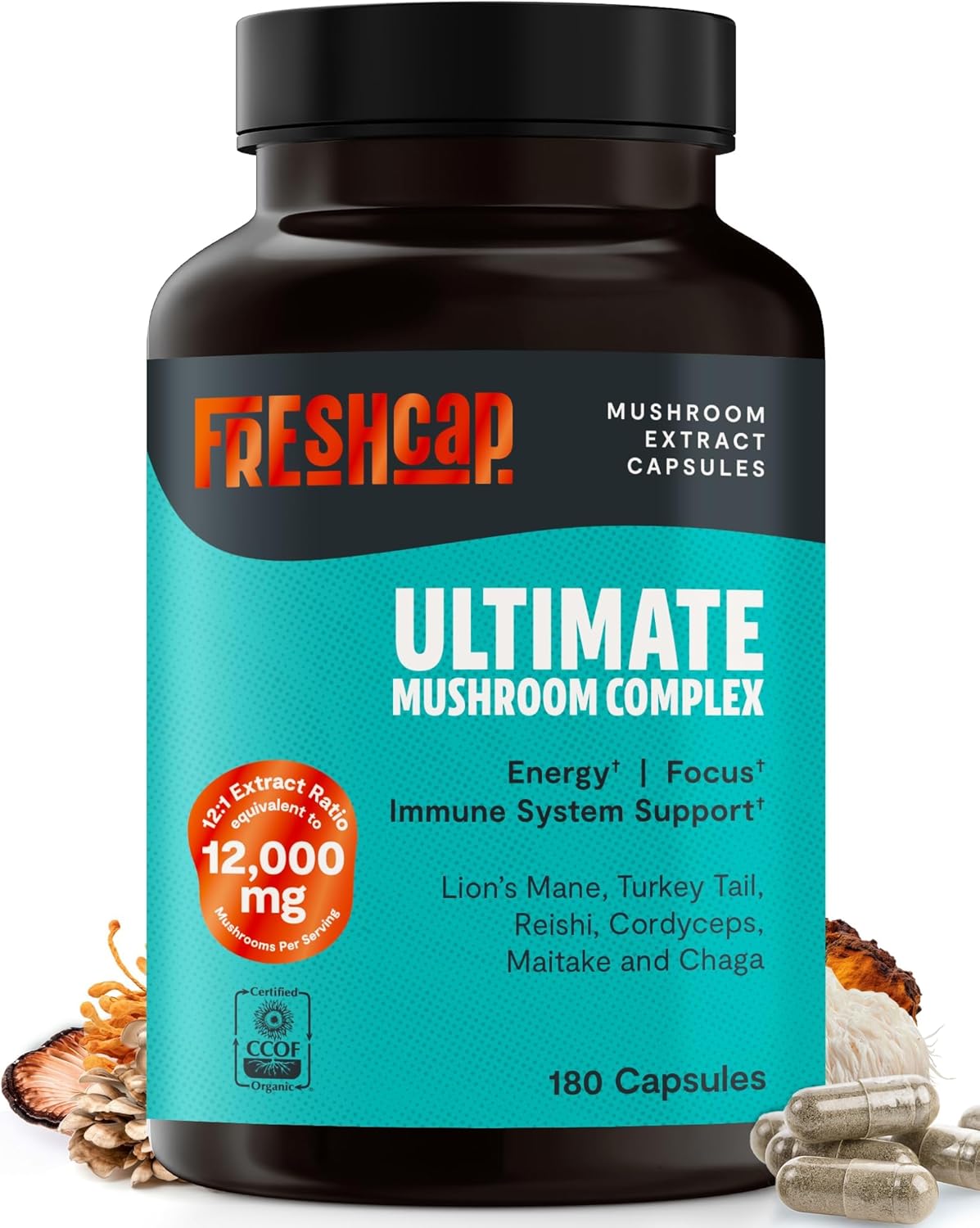
FreshCap Ultimate Mushrooms
FreshCap Mushrooms- Lion's mane blend with other adaptogens
- Hot water extract for bioavailability
- Organic sourced
- Good value for beginners

Om Mushroom Lion's Mane Powder
Om Mushroom Superfood- Organic fruiting body powder
- Versatile powder form for beverages
- Convenient dosing
- Best for mixing into drinks
Dosage Recommendations
Start at 500-750mg daily and increase to 1,000-2,000mg daily split into two doses (morning and evening). Higher doses (up to 3,000mg) may offer incremental benefit but increase cost significantly. Consistency matters more than dose -- daily supplementation is far more effective than sporadic high doses. Keep in mind that concentrated extracts (3:1 or 8:1) are substantially more potent than raw mushroom powders; 500mg of an 8:1 extract is equivalent to roughly 4,000mg of raw powder. Factor this into dosing comparisons across products.
How Long Until Results
Mood and anxiety improvements often appear within 1-2 weeks, likely driven by changes in gut-brain axis signaling and serotonin modulation. Cognitive improvements (memory, focus, mental clarity) typically emerge at 2-4 weeks, with maximum benefits at 8-16 weeks of consistent daily use. Remarkably, the Mori trial found cognitive benefits persisted for several weeks after supplementation ended, suggesting lasting neuroplastic changes rather than temporary stimulation. This persistence distinguishes lion's mane from stimulant-based nootropics like caffeine, which provide no lasting benefit once discontinued.
Safety and Side Effects
Lion's mane has an excellent safety record with no serious adverse events reported in clinical studies at doses up to 3,000mg daily for 16 weeks. Rare mild side effects include digestive upset at high doses or on empty stomach, typically resolved by dose reduction or taking with food. No known drug interactions have been documented. People with mushroom allergies should consult a healthcare provider before starting. Insufficient safety data exists for pregnancy and breastfeeding, so avoidance during these periods is recommended as a precaution.
Our Verdict
Lion's mane has robust clinical evidence for cognitive improvement backed by human trials, but product quality varies enormously -- the difference between a potent dual-extracted fruiting body product and weak mycelium-on-grain is vast and directly affects results. Our top pick, Real Mushrooms, ensures dual extraction, >25% verified beta-glucans, and fruiting body sourcing. Expect noticeable benefits within 2-4 weeks with continued improvement over 8-16 weeks, reflecting actual neuroplastic changes rather than temporary stimulation. Combine with good sleep, regular exercise, and effective stress management for the best overall cognitive results.
Quick Comparison
| Product | Key Feature | Best For |
|---|---|---|
| Real Mushrooms Lion's Mane | Fruiting body only extract | Top Pick |
| Host Defense Lion's Mane | Organic mycelium + fruiting body blend | Trusted in nootropics community |
| Nootropics Depot | 8:1 concentrated fruiting body extract | Best for serious nootropic users |
| FreshCap Ultimate Mushrooms | Lion's mane blend with other adaptogens | Good value for beginners |
| Om Mushroom Lion's Mane Powder | Organic fruiting body powder | Best for mixing into drinks |
Related: Best Sea Moss Supplements (2026)
How long does it take for lion's mane to work?
Most people notice cognitive benefits from lion's mane within 2-4 weeks of daily use at 500-1000mg. However, its nerve growth factor (NGF) stimulating effects build gradually — full benefits for memory, focus, and neuroprotection may take 8-12 weeks. Consistency matters more than dose size.
Is fruiting body or mycelium better for lion's mane?
Fruiting body extracts are generally preferred because they contain higher concentrations of the bioactive compounds hericenones and erinacines that stimulate nerve growth factor (NGF). Mycelium-on-grain products may contain significant filler starch. Look for 'dual extract' products that use hot water and alcohol extraction from fruiting bodies for maximum potency.
Bottom Line: Which Should You Buy?
For most people: the Real Mushrooms Lion's Mane. Fruiting body only extract.
On a budget: the Host Defense Lion's Mane. Organic mycelium + fruiting body blend.
Premium pick: the Om Mushroom Lion's Mane Powder. Organic fruiting body powder.
Ready to buy?
Jump straight to our top picks on Amazon.
Frequently Asked Questions
What is lion's mane mushroom?
Lion's mane (Hericium erinaceus) is a medicinal mushroom used for centuries in traditional Asian medicine. It contains bioactive compounds — hericenones and erinacines — that stimulate nerve growth factor (NGF) production in the brain. NGF is essential for neuronal growth, survival, and repair. Modern research validates its cognitive-supporting properties and shows benefits for memory, focus, and mood.
What's the difference between fruiting body and mycelium?
The fruiting body is the mushroom cap — the reproductive structure — and contains higher concentrations of bioactive compounds like hericenones and beta-glucans. Mycelium is the root-like network that grows in substrate and has lower bioactive concentrations but is easier and cheaper to produce. Fruiting body extracts are more potent. Quality supplements use fruiting body or fruiting body + mycelium blends, while avoiding mycelium-only products.
How long does lion's mane take to work?
Most people notice cognitive improvements within 2-4 weeks of consistent daily supplementation. Some report effects within 1-2 weeks, while others require 4-6 weeks. Mood and anxiety improvements often appear sooner (1-2 weeks) than memory and focus improvements. Continuing supplementation beyond 4 weeks typically produces further incremental improvements as NGF accumulates.
Is lion's mane safe? What are the side effects?
Lion's mane is very safe with an excellent safety profile. Most clinical studies report zero serious adverse effects. Mild side effects are rare and may include digestive upset (nausea, stomach discomfort) in some people, particularly at high doses or on empty stomach. These usually resolve with dose reduction or taking with food. No drug interactions are known. Long-term supplementation (6-12+ months) appears safe based on available research.
What's the recommended dosage for lion's mane?
Clinical studies showing cognitive benefits typically use 500mg-3,000mg daily of lion's mane extract. Most people benefit from 1,000-2,000mg daily split into two doses (morning and evening). Higher doses (2,000-3,000mg) may produce greater benefits but increase cost. Start with 500mg daily and increase gradually to assess tolerance and find your optimal dose.
Related Articles


Sources & Research
This article was informed by peer-reviewed research and clinical guidelines. The Supplements Corner Editorial Team reviews published literature to ensure accuracy.
Dosage Reference
Clinical studies have used 750 mg to 3,000 mg/day of lion’s mane extract, typically divided into 2–3 doses. Cognitive studies commonly used 250 mg tablets taken three times daily.
Key Studies Referenced:
- Mori K, Inatomi S, Ouchi K, et al. (2009). "Improving effects of the mushroom Yamabushitake (Hericium erinaceus) on mild cognitive impairment: a double-blind placebo-controlled clinical trial." Phytotherapy Research, 23(3), 367–372.
- Nagano M, Shimizu K, Kondo R, et al. (2010). "Reduction of depression and anxiety by 4 weeks Hericium erinaceus intake." Biomedical Research, 31(4), 231–237.
- Saitsu Y, Nishide A, Kikushima K, et al. (2019). "Improvement of cognitive functions by oral intake of Hericium erinaceus." Biomedical Research, 40(4), 125–131.
Medical Disclaimer: This content is for informational purposes only and does not constitute medical advice, diagnosis, or treatment. Always consult a qualified healthcare provider before starting, stopping, or changing any supplement regimen. Individual results may vary.