 Supplements
Best weight gain supplements for hardgainers: mass gainers, creatine, protein, carb powders. Evidence-based supplement stack for lean muscle gain.
Quick Answer: Best Picks
Best mass gainer: Optimum Nutrition Serious Mass — 1,250 calories, 50g protein, proven formula with decades of user data.
Best protein powder: Optimum Nutrition Gold Standard Whey — 24g protein, low sugar, excellent mixability, industry standard.
Best creatine: Creatine Monohydrate (generic) — competitive pricing, 100+ studies showing 1-2kg lean mass gain over 8-12 weeks.
Best carb powder: MuscleMeds Carb Up or Gatorade Powder — fast carbs for post-workout calories without excess fillers.
Calorie Surplus Fundamentals
Supplements don't create weight gain -- calorie surplus does. Calculate maintenance (body weight in lbs x 16-18), then add 300-500 calories daily. At this surplus with progressive training, expect 0.5-1lb/week, with 60-80% being lean muscle. A 2020 review found consistency matters more than surplus size. Supplements make hitting that surplus easier.
Mass Gainers Explained
Mass gainers deliver 1,000-1,500 calories per shake, primarily from carbs and fats. They're ideal for hardgainers who can't hit their surplus through whole food alone. A 2019 study found mass gainer users gained more weight (8.2kg vs 5.1kg over 8 weeks) -- entirely due to higher calorie intake, not magic ingredients. They're a calorie delivery tool.
Protein Powder for Weight Gain
Aim for 0.7-1g protein per pound of body weight during a surplus. A 2018 meta-analysis of 49 studies found protein supplementation increased lean mass gain by ~0.3kg vs carb-only controls -- modest but real, especially for beginners. Whey is convenient and complete but not required; whole food is superior. For hardgainers, convenience matters more than optimization.
Creatine Monohydrate
The most evidence-backed supplement for lean muscle gain, with 100+ positive trials over 25 years. Creatine increases ATP availability during training, enabling higher volume and driving muscle growth. A 2023 review found 1-2kg lean mass gain over 8-12 weeks with 5-10% strength increases. Take 3-5g daily (loading optional). Exceptionally safe -- no kidney stress, no cycling needed. Cost: competitive pricing.
Carb Powders & Drinks
Quick carbs (30-40g) before training provide energy; 60-90g post-workout maximizes glycogen repletion and protein synthesis. A banana or carb powder both work. Mass gainers already contain carbs, so separate carb powders are redundant unless training twice daily.
What Doesn't Work
Testosterone boosters: A 2020 meta-analysis of 15 studies found no evidence for most marketed natural T-boosters. Save competitive pricing. Appetite stimulants: Ineffective -- fix appetite through consistent eating. Fat burners: Counterproductive during a bulk. BCAAs: Inferior to whey protein in every comparison study and more expensive.
Sample Supplement Stack for Hardgainers
Minimal, evidence-based stack: Mass gainer (1 serving daily, 1,250 cal), whey protein (1 serving pre/post training, 24g protein), creatine monohydrate (3-5g daily). Optional: carb powder post-workout on training days.
Our Top Picks

Optimum Nutrition Serious Mass
Optimum Nutrition
- 1,250 calories per serving — covers 40-50% of daily surplus for hardgainers
- 50g protein supports muscle synthesis during surplus
- 217g carbs for post-workout glycogen replenishment
- Proven formula with decades of user data and consistency
Why we picked it: Serious Mass is the gold-standard mass gainer for hardgainers. At 1,250 calories and 50g protein per serving, it delivers a meaningful caloric boost without relying on cheap fillers. The formula has remained consistent for 20+ years, with billions of servings sold. For hardgainers struggling to hit their caloric target through whole food alone, this single shake eliminates 40% of the difficulty.

Dymatize Super Mass Gainer
Dymatize
- 1,280 calories per serving with premium amino acid blend
- 56g protein (higher than Serious Mass) for superior muscle synthesis
- Excellent mixability and smooth taste profile
- Better macronutrient balance for clean bulking (less fat)
Why we picked it: Dynatize Super Mass Gainer offers 6g more protein per serving than Serious Mass, making it better for men prioritizing lean muscle gain during a surplus. The macronutrient ratio (more protein, slightly less fat) supports clean bulking. Taste and mixability are superior, which matters for consistency—palatability drives adherence.
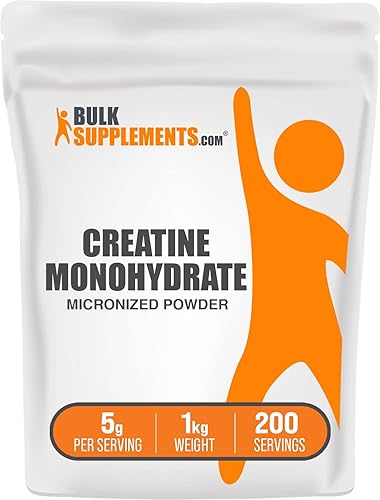
BulkSupplements Creatine Monohydrate
BulkSupplements.com
- 5g micronized creatine monohydrate per serving
- 200 servings (1kg bag)
- Third-party tested purity
- The most-researched muscle-building supplement
- Unflavored — mixes with anything
- Outstanding cost per serving
Why we picked it: Creatine monohydrate is the most proven legal muscle-building supplement, and this micronized version delivers 200 full 5g servings at a price that makes the loading and maintenance phases trivial to sustain.
Our Verdict
The minimal effective stack is mass gainer + whey protein + creatine. Everything else is redundant or ineffective. But supplements only enhance the three non-negotiable factors by 10-20%: caloric surplus of 300-500 daily, progressive training 3-4 days weekly, and 7-9 hours sleep. In 12 weeks, expect 6-12lbs gain with 5-9lbs lean muscle -- realistic, evidence-based progress.
Quick Comparison
| Product | Key Feature | Best For |
|---|---|---|
| Optimum Nutrition Serious Mass | 1,250 calories per serving — covers 40-50% of d... | Top Pick |
| Dymatize Super Mass Gainer | 1,280 calories per serving with premium amino a... | |
| BulkSupplements Creatine Monohydrate | 5g pure creatine monohydrate per serving — evid... |
Bottom Line: Which Should You Buy?
For most people: the Optimum Nutrition Serious Mass. 1,250 calories per serving — covers 40-50% of daily surplus for hardgainers.
On a budget: the Dymatize Super Mass Gainer. 1,280 calories per serving with premium amino acid blend.
Premium pick: the BulkSupplements Creatine Monohydrate. 5g pure creatine monohydrate per serving — evidence-backed dosing.
Ready to buy?
Jump straight to our top picks on Amazon.
Frequently Asked Questions
What's the best mass gainer for hardgainers?
Optimum Nutrition Serious Mass is the most evidence-backed choice for hardgainers. At 1,250 calories and 50g protein per serving, it provides a true caloric surplus without excessive fillers. MuscleMeds Carb Up is a strong alternative with better macros (50g carbs, 25g protein, minimal fat). Look for 1,000+ calorie gainers with 50g+ protein, not 10g.
Do testosterone boosters actually work for weight gain?
No. Most natural testosterone boosters (tribulus, fenugreek, d-aspartic acid) show minimal to no effect on testosterone or muscle gain in men with normal baseline levels. They're rarely studied and rarely replicate results. Save your money. Real testosterone increase comes from progressive training, sleep, and consistent surplus eating. Focus on fundamentals first.
Is creatine necessary for weight gain?
Not strictly necessary, but highly recommended. Creatine monohydrate is the most studied supplement with 100+ positive studies showing 1-2kg lean mass gain and strength increases. It works by increasing ATP availability during training, enabling higher volume. Cost is negligible. Men with low baseline creatine (vegetarians) benefit most.
How many calories do I need to gain weight as a hardgainer?
Start with maintenance calories + 300-500. Calculate maintenance as body weight (lbs) x 16-18, then add 300-500 calories daily. At this surplus, expect 0.5-1lb weight gain per week with progressive training. If gaining slower, add another 200 calories. Most hardgainers underestimate their actual food intake—use a food tracking app for one week.
What supplements don't work for weight gain?
Appetite stimulants (mostly ineffective), testosterone boosters (no evidence in normal men), fat burners (counterproductive for bulking), most pre-workout drinks (caffeine only, minimal anabolic effect), and branched-chain amino acids (inferior to whey protein). Don't waste money on these. Focus on caloric surplus, protein, and creatine.
Related Articles


Sources & Research
This article was informed by peer-reviewed research and clinical guidelines. The Supplements Corner Editorial Team reviews published literature to ensure accuracy.
Dosage Reference
The International Society of Sports Nutrition recommends 1.4–2.0 g of protein per kg of body weight per day for physically active individuals. For muscle building, 20–40 g of high-quality protein per meal is optimal.
Key Studies Referenced:
- Jäger R, Kerksick CM, Campbell BI, et al. (2017). "International Society of Sports Nutrition Position Stand: protein and exercise." Journal of the International Society of Sports Nutrition, 14, 20.
- Morton RW, Murphy KT, McKellar SR, et al. (2018). "A systematic review, meta-analysis and meta-regression of the effect of protein supplementation on resistance training-induced gains in muscle mass and strength." British Journal of Sports Medicine, 52(6), 376–384.
- Tang JE, Moore DR, Kujbida GW, et al. (2009). "Ingestion of whey hydrolysate, casein, or soy protein isolate: effects on mixed muscle protein synthesis at rest and following resistance exercise." Journal of Applied Physiology, 107(3), 987–992.
Medical Disclaimer: This content is for informational purposes only and does not constitute medical advice, diagnosis, or treatment. Always consult a qualified healthcare provider before starting, stopping, or changing any supplement regimen. Individual results may vary.