 Supplements
Science-backed magnesium supplements for muscle recovery, performance, and cramping. Includes recommendations for athletes and active individuals.
Why Magnesium Matters for Athletes
Athletes lose more magnesium than sedentary individuals through sweat (20-40mg per hour of intense exercise), elevated cortisol, and increased muscle protein synthesis demands. An estimated 30-60% of athletes are magnesium-deficient, leading to persistent cramps, prolonged DOMS, poor sleep, and incomplete recovery between sessions. Signs of deficiency include muscle twitching, extended soreness lasting 4-5+ days, sleep disturbances despite fatigue, and reduced range of motion.
Magnesium supports muscle health through multiple pathways: ATP energy production for force output, calcium-magnesium balance for proper contraction/relaxation, magnesium-dependent enzymes for protein synthesis, moderation of pro-inflammatory cytokines, and optimization of deep slow-wave sleep where recovery primarily occurs. Research consistently shows supplementation in deficient athletes significantly improves recovery speed, reduces soreness, and decreases injury risk. Even non-deficient athletes benefit through improved sleep quality.
Best Magnesium Forms for Muscle Recovery
| Form | Bioavailability | Muscle Benefit | Typical Athletic Dose | Best For |
|---|---|---|---|---|
| Glycinate | High (chelated) | Excellent (recovery) | 300-400mg | General recovery |
| Malate | Moderate | Excellent (energy) | 1200-2400mg | Energy & ATP |
| Citrate | High | Good | 300-500mg | Budget option |
| Taurate | High | Good | 200-400mg | Heart health + recovery |
| Threonate | High (BBB) | Moderate | 2000mg | Brain recovery |
| Oxide | Low (5-15%) | Poor | 400-500mg | Avoid |
Related: Magnesium vs Magnesium Glycinate (2026)
Magnesium Glycinate for Athletes
Magnesium glycinate is the best overall form for athletic recovery. The glycine component provides its own benefits: collagen support for joint health, independent calming mechanisms that improve sleep quality, and anti-inflammatory effects. Together, magnesium and glycine create a dual-mechanism recovery supplement that works across all athletic populations.
Dose 300-400mg elemental magnesium daily in 1-2 doses, with the primary dose 30-60 minutes before bed. Glycinate has no laxative effect (unlike citrate), absorbs well as a chelated form, and rarely causes digestive issues that could compromise training comfort.
Magnesium Malate for Performance
Magnesium malate directly supports ATP synthesis since malate is an intermediate in the Krebs cycle (cellular energy production). Studies show it improves endurance capacity, reduces exercise fatigue perception, and accelerates recovery from anaerobic exercise. Effects are most pronounced in endurance athletes (runners, cyclists, triathletes).
It requires higher doses (1200-2400mg daily, yielding 150-300mg elemental magnesium) because much of the compound weight is malate. Split doses with meals to minimize digestive impact. Despite the higher pill count, malate is a strong choice for athletes prioritizing energy and muscular power output.
Magnesium Threonate for Brain Recovery
Magnesium threonate is the only form proven to cross the blood-brain barrier, replenishing brain magnesium to improve cognitive function, competition decision-making, and motor skill neuroplasticity. Dose 2000mg daily (~144mg elemental magnesium), typically split into two servings. Contact sport athletes and those in cognitively-demanding sports benefit most. The cost is substantially higher than other forms, so reserve it for athletes specifically targeting neural recovery.
Dosage & Timing for Athletic Recovery
Aim for 300-400mg elemental magnesium daily, split into 1-2 doses for optimal absorption. High-volume athletes training 10+ hours weekly may need 400-500mg. Do not exceed 350mg from supplements without medical supervision -- obtain additional magnesium from food sources like spinach, almonds, and pumpkin seeds.
Take the primary dose 30-60 minutes before bed to optimize sleep recovery. If taking a second dose, time it mid-morning or early afternoon, separated from calcium, iron, and zinc supplements by 2+ hours. Magnesium absorbs better with fat-containing meals. Stay well-hydrated, as dehydration impairs magnesium absorption.
Preventing Muscle Cramps with Magnesium
Magnesium deficiency is a primary contributor to cramps in many athletes. Start supplementing 350-400mg daily at least 2-4 weeks before competition season -- don't wait until cramps appear. Combine with aggressive hydration (400-800mL/hour during training) and dietary magnesium from leafy greens, nuts, and legumes. Most deficient athletes see 50-70% improvement in cramp frequency within 2-4 weeks. If cramps persist despite supplementation and hydration, consult a sports medicine provider for other causes.
Product Recommendations for Athletes

NatureBell Magnesium Glycinate 500mg
Best Overall for Athletes
- 500mg chelated magnesium glycinate per serving
- Glycinate form optimizes recovery
- Take 2-3 capsules daily for athletic dosing
- Minimal digestive impact (crucial pre-training)
- Third-party tested for purity
Why: Provides flexible athletic dosing, uses the best-tolerated recovery form, and leaves no digestive residue to interfere with training.
Check Price on Amazon
NOW Foods Magnesium Malate
Best for Energy & Power
- 1200mg per serving (150mg elemental Mg)
- Malate supports ATP production
- Ideal for strength and endurance athletes
- Affordable pricing for high-volume dosing
- Split doses to minimize GI impact
Why: If energy production and muscular power are your focus, malate provides targeted support for mitochondrial function. Pricing accommodates the higher dose volume required.
Check Price on Amazon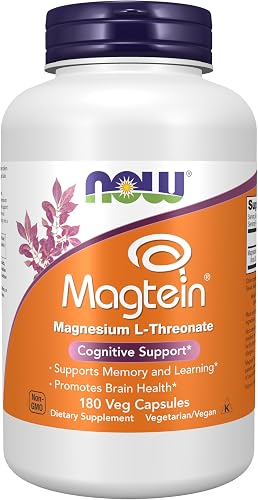
NOW Foods Magtein Magnesium L-Threonate
NOW Foods
- Patented Magtein® magnesium L-threonate
- 180 veg capsules
- Form best shown to raise brain magnesium
- Cognitive and recovery support
- GMP-certified manufacturing
- Unflavored, easy-to-swallow capsules
Why: For contact sport athletes, cognitively-demanding sports, or those focused on neural adaptation and motor learning, threonate provides unique CNS benefits unavailable elsewhere.
Check Price on AmazonBottom Line: Which Should You Buy?
For most people: the NatureBell Magnesium Glycinate 500mg. 500mg chelated magnesium glycinate per serving.
On a budget: the NOW Foods Magnesium Malate. 1200mg per serving (150mg elemental Mg).
Premium pick: the NOW Foods Magtein Magnesium L-Threonate. 2000mg daily (144mg elemental Mg).
Ready to buy?
Jump straight to our top picks on Amazon.
Frequently Asked Questions
What magnesium is best for muscle recovery?
Magnesium glycinate and magnesium malate are best for muscle recovery. Glycinate supports muscle relaxation and has anti-inflammatory effects. Malate is directly involved in muscle energy production (ATP synthesis). Citrate works well as a general-purpose option if budget is a concern.
Does magnesium help with muscle cramps?
Yes, magnesium is highly effective for muscle cramps when deficiency is present. Approximately 30-40% of cramp-prone athletes are magnesium-deficient. Supplementing 300-400mg daily reduces cramp frequency and severity significantly within 2-4 weeks in deficient individuals.
How much magnesium should athletes take?
Athletes should aim for 300-400mg elemental magnesium daily, taken in 1-2 doses. This is higher than the RDA (400-420mg for men) because athletic activity depletes magnesium through sweat and increased muscle protein synthesis. Separate doses by 3+ hours for optimal absorption.
Can magnesium improve athletic performance?
Magnesium improves athletic performance indirectly by reducing muscle cramping, improving energy production, supporting better sleep recovery, and decreasing inflammation. Direct performance improvements (strength, speed) are modest unless you have baseline magnesium deficiency. Recovery benefits are substantial for all athletes.
When should athletes take magnesium?
Take magnesium 30-60 minutes before bed for optimal sleep recovery benefits. For cramp prevention, take it once or twice daily regardless of exercise timing. Athletes should not take magnesium immediately before training — separate by at least 30 minutes to avoid digestive interference.
Related Articles


Sources & Research
This article was informed by peer-reviewed research and clinical guidelines. The Supplements Corner Editorial Team reviews published literature to ensure accuracy.
Dosage Reference
The NIH recommends 400–420 mg/day for adult men and 310–320 mg/day for adult women. Athletes may benefit from slightly higher intake due to magnesium loss through sweat.
Key Studies Referenced:
- Zhang Y, Xun P, Wang R, et al. (2017). "Can magnesium enhance exercise performance?" Nutrients, 9(9), 946.
- Newhouse IJ, Finstad EW. (2000). "The effects of magnesium supplementation on exercise performance." Clinical Journal of Sport Medicine, 10(3), 195–200.
- Nielsen FH, Lukaski HC. (2006). "Update on the relationship between magnesium and exercise." Magnesium Research, 19(3), 180–189.
Medical Disclaimer: This content is for informational purposes only and does not constitute medical advice, diagnosis, or treatment. Always consult a qualified healthcare provider before starting, stopping, or changing any supplement regimen. Individual results may vary.