 Supplements
Best collagen supplements for men: joint pain, recovery, gut health. Type I, II, III collagen evidence, dosing, and product recommendations.
Quick Answer: Best Picks
Best overall: Momentous Grass-Fed Collagen Peptides — Type I/III blend, 10g per serving, mixes clean, third-party tested.
Best for joint pain: NeoCell Type II Collagen — specifically targets cartilage, clinical evidence for joint relief.
Best budget option: Orgain Hydrolyzed Collagen Peptides — Type I/III hydrolyzed, same effectiveness at lower cost.
Best all-in-one: Ancient Nutrition Multi Collagen Complex — Types I, II, III, V, X combined for comprehensive support.
What Is Collagen?
Collagen is the most abundant protein in the human body (30% of total protein), forming the structural scaffold of tendons, ligaments, cartilage, gut lining, and skin. Hydrolyzed collagen (collagen peptides) is the supplement form that matters -- hydrolysis breaks collagen into small peptides absorbed intact into the bloodstream. Research shows these peptides accumulate in joint cartilage and bone, providing structural benefits beyond simple amino acid provision.
Why Men Need Collagen Too
Collagen is not a "women's supplement." Men lose collagen at 1% annually after age 25, and face unique demands from resistance training and sports. Tendons and ligaments are 70-80% collagen, and a 2018 study found male athletes supplementing 20g daily reduced tendon injuries by ~40%. Collagen also supports gut barrier function, recovery from training, and joint cartilage repair under heavy loading.
Collagen Types Explained
Type I: Most abundant (90% of body collagen). Found in tendons, ligaments, skin, bone, and gut lining. Best for overall recovery, tendon health, and gut integrity. If taking only one type, choose Type I.
Type II: Exclusive to joint cartilage. A 2019 meta-analysis found Type II at 10g daily reduced joint pain by 25-35% within 4-6 weeks. Best for men with existing knee, hip, or shoulder pain.
Type III: Found in muscle tissue and blood vessels. Usually blended with Type I in collagen peptide products (~60% Type I, 40% Type III). Best for post-workout recovery.
Types V, X, and others comprise less than 5% of body collagen with limited evidence. Focus on Types I, II, and III.
Evidence for Joint Pain & Recovery
A 2019 systematic review of 13 RCTs found collagen supplementation reduced joint pain by 25-35% (Type II) and tendon pain by 20-30% (Type I/III blend) at 10g+ daily. Results appeared within 4-6 weeks and continued improving over 12 weeks. Below 5g daily showed minimal effect. Combined with resistance training, collagen creates a synergistic effect -- training signals repair needs while supplemental collagen provides raw material.
Gut Health & Digestion
Collagen strengthens the intestinal barrier through glycine and proline, which are precursors for mucin and tight junction proteins. A 2017 study found that 15g daily collagen + glutamine significantly improved digestive symptoms (bloating, cramping) within 6 weeks and reduced intestinal inflammation markers. Men with leaky gut, food intolerances, or inflammatory digestive symptoms often benefit.
Hair Loss & Hair Quality
Collagen won't reverse male pattern baldness (driven by DHT sensitivity, not collagen deficiency), but it can improve hair quality. A 2019 study found men supplementing 10g daily + biotin showed improved hair thickness and reduced shedding within 12 weeks. Consider it a complement to primary treatments (finasteride, minoxidil), not a replacement.
Dosing & Timing
For joint pain: 10-20g daily of hydrolyzed collagen peptides. For general health: 10g daily. Always take with vitamin C (an orange or 250mg supplement) and food for optimal absorption and synthesis. Results appear in 4-6 weeks; continue 8+ weeks for sustained benefits. Collagen peptides mix easily in coffee, smoothies, or water -- consistency matters more than method.
Top Products
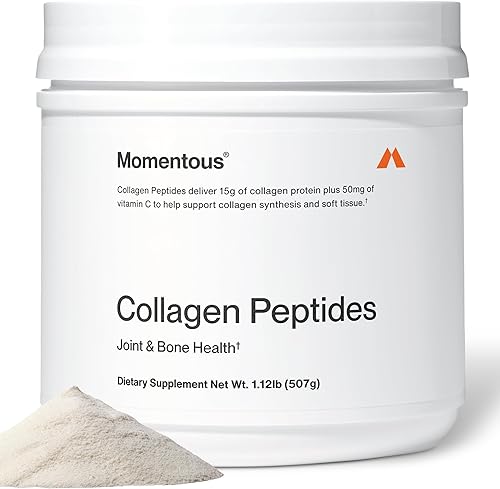
Momentous Grass-Fed Collagen Peptides
Momentous- 10g hydrolyzed collagen per serving (Type I & III)
- Grass-fed, pasture-raised sources
- Mixes clear in cold or hot liquids
- Third-party tested for purity
- NSF certified, no additives
- Excellent mixability and taste neutrality
Why we recommend it: Momentous is the gold standard for collagen quality and transparency. Grass-fed sourcing ensures higher nutrient density. The 10g per serving is clinically effective, and the peptides mix completely without residue. The company third-party tests for heavy metals and purity. This is the premium choice for men prioritizing quality.
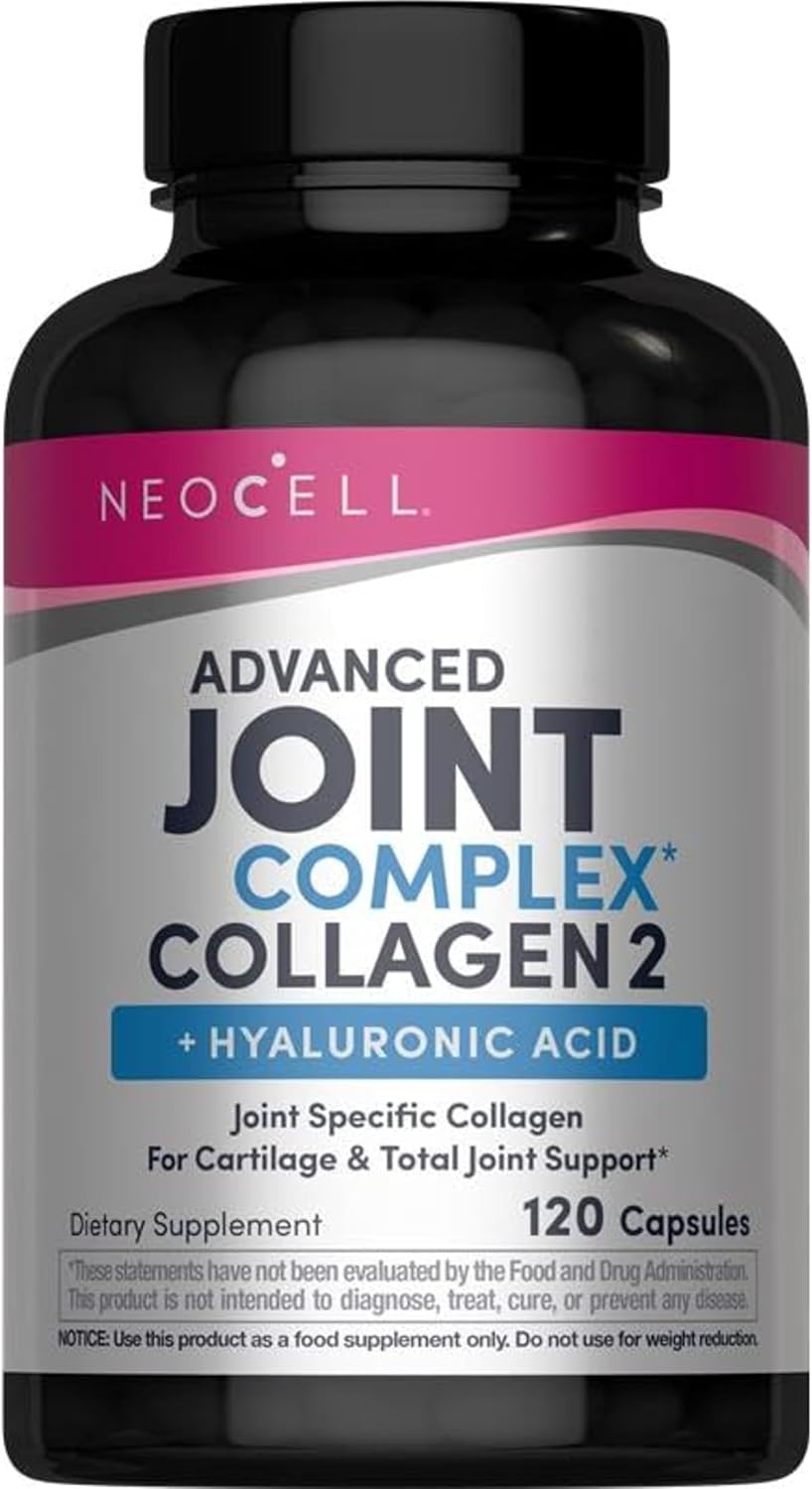
NeoCell Type II Collagen
NeoCell- 10g Type II collagen per serving (joint-specific)
- Undenatured Type II (maintains structure)
- Optimized for joint cartilage repair
- Clinical studies in active men
- Hypoallergenic, no fillers
- Best for existing joint pain
Why we recommend it: If your primary goal is joint pain relief, NeoCell Type II is the most targeted option. Type II collagen specifically targets joint cartilage and has the strongest evidence for pain reduction. The undenatured form (retains structure) is more biologically active than hydrolyzed Type II. For men with chronic knee, hip, or shoulder pain, this outperforms Type I/III blends.

Orgain Hydrolyzed Collagen Peptides
Orgain- 20g grass-fed collagen per serving
- Type I & III peptides
- Unflavored, mixes easily
- Hair, skin, nail and joint support
- Gluten-free and soy-free
- Strong value per gram of collagen
Why we recommend it: Orgain delivers the same collagen dosage and quality as premium brands at significantly lower cost. For men committed to long-term collagen supplementation, this is the smart choice. The collagen peptides are identical in biochemistry to Momentous; the price difference is brand premium, not product difference.

Ancient Nutrition Multi Collagen Complex
Ancient Nutrition- 6,000mg multi-collagen per serving (Types I, II, III, V, X)
- Comprehensive collagen spectrum
- Includes bone broth concentrate (additional benefits)
- Grass-fed and wild-caught sources
- Supports joints, skin, gut, hair
- All-in-one collagen approach
Why we recommend it: Ancient Nutrition's multi-collagen blend covers all major collagen types in one product. The combination of Types I, II, III provides comprehensive support for joints, tendons, skin, and gut. The added bone broth concentrate provides gelatin and additional amino acids. For men wanting comprehensive collagen support without multiple supplements, this is efficient. Dosing is 6g per serving vs 10g for single-type products, so consider taking 1.5-2 scoops for optimal dosing.
Our Verdict
Collagen is a legitimate recovery and joint health tool for active men, with robust evidence for pain reduction and tendon support. Start with a Type I/III blend (Momentous or Orgain for budget) at 10g daily with vitamin C, or swap to Type II for existing joint pain. Expect results in 4-6 weeks -- and know that budget options deliver identical bioactivity to premium brands.
Quick Comparison
| Product | Key Feature | Best For |
|---|---|---|
| Momentous Grass-Fed Collagen Peptides | 10g hydrolyzed collagen per serving (Type I & III) | Top Pick |
| NeoCell Type II Collagen | 10g Type II collagen per serving (joint-specific) | Best for existing joint pain |
| Orgain Hydrolyzed Collagen Peptides | 10g hydrolyzed collagen per serving (Type I & III) | Best value for consistent daily use |
| Ancient Nutrition | 6,000mg multi-collagen per serving (Types I, II... | All-in-one collagen approach |
Bottom Line: Which Should You Buy?
For most people: the Momentous Grass-Fed Collagen Peptides. 10g hydrolyzed collagen per serving (Type I & III).
On a budget: the NeoCell Type II Collagen. 10g Type II collagen per serving (joint-specific).
Premium pick: the Ancient Nutrition Multi Collagen Complex. 6,000mg multi-collagen per serving (Types I, II, III, V, X).
Ready to buy?
Jump straight to our top picks on Amazon.
Frequently Asked Questions
Do collagen supplements actually work for joint pain?
Yes, when taken consistently at 10g+ daily. A 2019 meta-analysis of 13 studies found that collagen supplementation reduced joint pain by approximately 20-30% in men with osteoarthritis or activity-related joint pain. Results appear within 4-6 weeks and continue improving over 12 weeks. Type II collagen is most effective for joint cartilage.
What's the difference between collagen types?
Type I: Skin, tendons, ligaments, gut lining (most abundant). Type II: Joint cartilage specifically. Type III: Muscle tissue and blood vessels. For joint pain, Type II is most targeted. For overall recovery and gut health, a blend of Type I and Type III is more effective. Most supplements use hydrolyzed collagen, a processed form for better absorption.
How much collagen should men take daily?
For joint pain: 10-20g daily of hydrolyzed collagen peptides, taken with vitamin C for enhanced synthesis. For general recovery and gut health: 10g daily is sufficient. Take with meals for best absorption. Results typically appear in 4-6 weeks. Studies showing benefit used 10-20g daily, not lower doses.
Does collagen help with hair loss in men?
Indirectly. Collagen provides amino acids (glycine, proline) that support hair follicle strength and integrity. However, male pattern baldness is primarily driven by DHT sensitivity, not collagen deficiency. Collagen may help with hair quality and thickness, but won't reverse genetic baldness. It's worth adding to a comprehensive approach (finasteride, minoxidil, proper nutrition), but not a primary treatment.
Can collagen replace whey protein?
No. Collagen is incomplete—it lacks tryptophan and several essential amino acids. Whey protein is superior for muscle building. However, collagen complements whey: whey for muscle synthesis, collagen for joint/tendon/gut support. Many men take both: 25-30g whey daily + 10g collagen daily for comprehensive protein and recovery support.
Related Articles


Sources & Research
This article was informed by peer-reviewed research and clinical guidelines. The Supplements Corner Editorial Team reviews published literature to ensure accuracy.
Dosage Reference
Clinical trials typically use 2.5–10 g/day of hydrolyzed collagen peptides. For skin benefits, 2.5–5 g/day has shown efficacy in 8–12 week studies. For joint health, 10 g/day is commonly studied.
Key Studies Referenced:
- Proksch E, Segger D, Degwert J, et al. (2014). "Oral supplementation of specific collagen peptides has beneficial effects on human skin physiology: a double-blind, placebo-controlled study." Skin Pharmacology and Physiology, 27(1), 47–55.
- Bolke L, Schlippe G, Gerss J, Voss W. (2019). "A collagen supplement improves skin hydration, elasticity, roughness, and density: Results of a randomized, placebo-controlled, blind study." Nutrients, 11(10), 2494.
- Clark KL, Sebastianelli W, Flechsenhar KR, et al. (2008). "24-week study on the use of collagen hydrolysate as a dietary supplement in athletes with activity-related joint pain." Current Medical Research and Opinion, 24(5), 1485–1496.
Medical Disclaimer: This content is for informational purposes only and does not constitute medical advice, diagnosis, or treatment. Always consult a qualified healthcare provider before starting, stopping, or changing any supplement regimen. Individual results may vary.